
Introduction:
Most beginners jump into protein supplements based on hype, brand popularity, or what influencers recommend. That’s a mistake. Whey protein and plant protein are not interchangeable in every context. They differ in digestion, amino acid profile, muscle building efficiency, and even how your gut responds.
When you understand these differences first, you stop guessing and start choosing based on your body, goals, and lifestyle.
In this article, we will help you understand the real differences between whey protein and plant protein by breaking down the science, not the marketing.
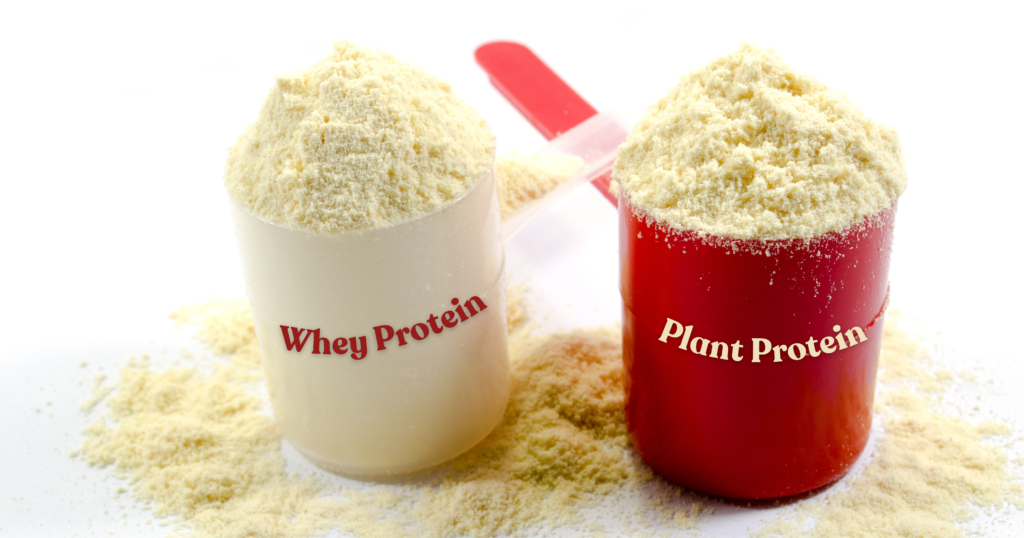
We’ll explain how each protein works in the body, how they differ in amino acid content, digestion speed, and muscle building potential, and most importantly when those differences actually matter.
What is Whey Protein and Plant Protein.
Whey protein is a dairy based protein extracted from milk during cheese production. It’s fast digesting, rich in essential amino acids, and especially high in leucine the amino acid that directly triggers muscle protein synthesis.
Plant protein comes from plant sources like pea, rice, soy, or blends of multiple plants. It’s naturally lactose free and often chosen by vegans, vegetarians, or people with dairy sensitivity.
What Studies Reveal About Plant Protein vs Whey.
To understand whether plant protein actually builds muscle differently than whey, let’s look at a real study published in the Journal of the International Society of Sports Nutrition instead of opinions.
In a twelve week resistance training study, researchers compared pea protein and whey protein supplementation in resistance trained individuals. Both groups followed the same training program and consumed similar total protein amounts per day. The only real difference was the protein source.
Here’s the interesting part.
One group consumed whey protein, which digests quickly and delivers a high leucine dose rapidly. The other group consumed pea protein, which digests more slowly and contains less leucine per serving.
Despite these differences, both groups gained a similar amount of muscle thickness and strength by the end of the study.

So what explains this?
Think of it like this, one lifter floods his muscles with amino acids quickly using whey.
Another lifter delivers amino acids more gradually using plant protein.
The speed of delivery differs, but as long as total protein intake is sufficient and training stimulus is strong, the long term muscle outcome is similar. For more clarity you read our blog, Best Time to Take Whey Protein: Before or After Workout?
Plant Protein Complete or Not?
Now, you may wonder how this actually works in practice, especially since pea protein does not contain all essential amino acids in ideal proportions for muscle building.
Well, modern plant protein powders solve this by blending complementary sources such as pea with rice or soy to create a complete amino acid profile.
But still their digestion is slower compared to whey. This means amino acids are released more gradually into the bloodstream, supporting satiety and sustained energy but not delivering the rapid spike that whey offers.
Which One Is Suitable for You?
When it comes to building muscle, the most important factor isn’t the type of protein you choose, it’s the total amount you consume consistently throughout the day.
Whey protein offers a natural advantage with its higher leucine content and rapid digestion. Its faster breakdown releases amino acids quickly into the bloodstream, delivering an immediate surge that supports muscle repair and growth. However, some individuals face digestive issues with whey, especially those sensitive to lactose or dairy proteins.
Plant protein, on the other hand, can be just as effective for maximizing muscle development when overall intake is managed properly. Modern blends provide a complete amino acid profile, and they’re particularly well suited for individuals following a vegan lifestyle, or those with lactose intolerance and dairy allergic.
Best Whey Type for You?
Ultimately, If you tolerate dairy well and want a fast digesting option that delivers a strong leucine punch for immediate muscle recovery, whey protein is the most convenient choice.
If you follow a vegan or struggle with lactose intolerance plant protein is the better fit.
Frequently Asked Questions (FAQ’s)
Q1: Can plant protein build muscle as effectively as whey?
Yes. If your total daily protein intake and training are consistent, plant protein can produce similar muscle growth results as whey.
Q2: Is whey protein bad for digestion?
Not always, but people with lactose intolerance or dairy sensitivity may face bloating, gas, or stomach discomfort.
Q3: Is plant protein a complete protein?
Some single-source plant proteins may lack certain amino acids, but plant blends (pea + rice/soy) usually provide a complete profile.
Q4: Which is better for fat loss: whey or plant?
Both can help. Protein improves satiety and helps you retain muscle while dieting, so the best choice is what you can take consistently.