

Introduction
Did you know? one scoop of pre-workout can deliver as much caffeine as 2–3 cups of strong coffee, rapidly stimulating your nervous system, driving up heart rate, and boosting alertness within minutes.
In the gym, that stimulation often means lifting heavier weights, pushing out extra reps, and staying mentally locked in during your sets especially on low energy days.

But this raises an important question. Is aggressively stimulating your nervous system in a matter of minutes actually healthy? And if there are real risks, why does the supplement industry market pre-workout so aggressively and why do so many fitness influencers rely on it daily?
In this article, we’ll break down the science behind pre-workout supplements, explain exactly how they affect performance and health, and show you how to use them strategically, so you maximize gains in the gym without paying for it with your sleep, digestion, or long term health.
Table of Contents
What Is Pre-Workout Supplement?
A pre-workout supplement is a product designed to improve training performance when taken shortly before exercise, usually 20-30 minutes prior. Its main goal isn’t to build muscle directly, but to help you push harder and stay more focused during your workout, which over time, supports muscle growth and strength gains.
A typical pre-workout contains ingredients like caffeine for alertness and reduced fatigue, amino acids for endurance, and compounds such as citrulline or beta-alanine that may enhance blood flow and muscular performance.
Each ingredient targets a different aspect of performance, but none of them replace the fundamentals of muscle building such as adequate sleep, proper nutrition, and consistent training.
How Pre-Workout Boosts Physical Performance in Gym?
You mix a scoop of pre-workout with water and drink it before training. Because it’s in liquid form, your body absorbs it quickly, and the ingredients begin entering the bloodstream within 15–30 minutes.
Early on, you may feel a tingling or itching sensation on your skin. This comes from beta-alanine, which activates nerve endings near the surface of the skin. Beta-alanine helps muscles buffer fatigue, allowing you to push harder with more intensity during sets.

As you move into your working sets, caffeine reaches the brain and blocks adenosine, the chemical responsible for making you feel tired. This decreases the sensation of fatigue and increases alertness. What you feel is stronger focus and improved strength output. Heavy weights feel slightly lighter, form stays tighter, and you’re able to push extra reps or lift more weight.
After your sets, you feel a stronger pump and fuller muscles because ingredients like L-citrulline increase nitric oxide production, improving blood flow to working muscles. This also improves endurance between sets due to better oxygen and nutrient delivery.
In simple terms, pre-workout works by stimulating the nervous system, delaying fatigue, and improving blood flow. It doesn’t directly build muscle, but by helping you push harder in the gym, it supports long term strength and muscle gains.
Why Pre-Workout Isn’t Risk-Free?
Pre-workout supplements can enhance performance, but they also come with potential downsides, especially when used frequently or without understanding dosage and timing.
1. Overstimulation of the Nervous System:
Most pre-workouts contain high doses of caffeine and other stimulants. This can spike heart rate and blood pressure, leading to jitters, anxiety, dizziness, or a sudden energy crash later in the day in some individuals.
2. Sleep Disruption and Poor Recovery:
Caffeine has a long half-life, meaning it can stay active in your system for hours. Taking pre-workout in the evening can reduce sleep quality. Even if you fall asleep it can negatively affect your recovery.
3. Rapid Tolerance Build-Up:
With regular use, your body adapts to stimulants. Over time, the same scoop feels less effective, tempting you to increase the dose. This cycle increases side effects while reducing the real performance benefit.
4. Digestive and Gut Issues:
Pre-workout is often taken on an empty stomach and contains ingredients that can irritate the gut. Common issues include bloating, nausea, cramps, or acid reflux especially in people with sensitive digestion.
5. Psychological Dependence or Placebo effect:
Relying on pre-workout for every session can create a mental dependency, where training feels impossible without it. This shifts focus away from the fundamentals: sleep, nutrition, and training that actually drive muscle growth.
Pre-Workout Scams You Should Be Aware Of.
As per FSSAI, one scoop of pre-workout should provide no more than 200mg of caffeine, and your total daily caffeine intake should not exceed 300mg to avoid unwanted side effects but not all pre-workout supplements are formulated with safety as their top priority.
Underdosed Ingredients That Don’t Deliver Results:
A common marketing trick is including proven ingredients like creatine in very small, ineffective doses. While research shows creatine works best at around 3–5 g per day, many pre-workouts include far less, often just enough to list it on the label.
At these doses, creatine provides no meaningful strength or muscle building benefit, but it helps make the product look more complete on paper.
Excessive Caffeine Hidden Under Proprietary Blends:
Another major scam in the pre-workout industry is inflating caffeine content under the name of proprietary blends. Instead of clearly stating how much caffeine a product contains. This makes it difficult for consumers to know their actual caffeine intake.
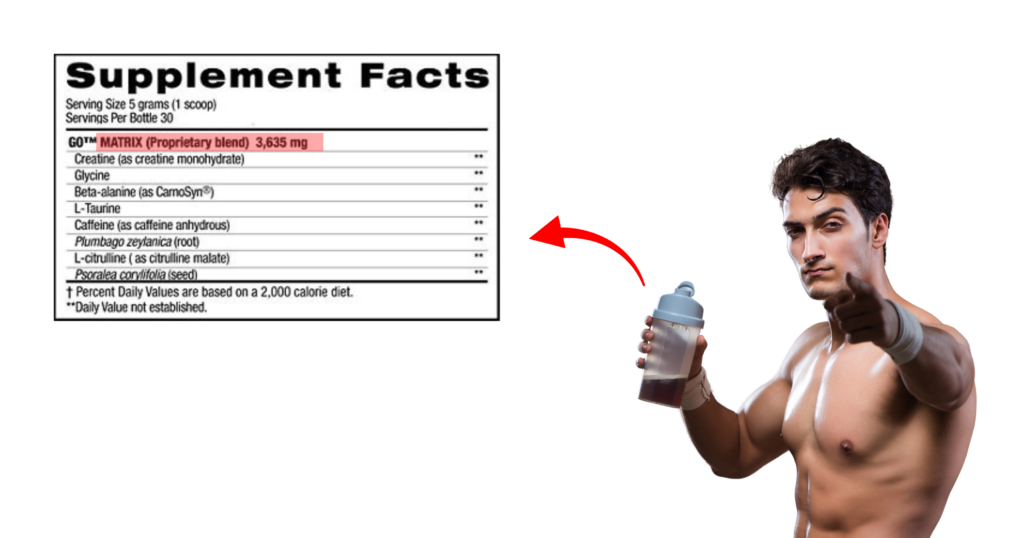
When caffeine is hidden inside proprietary blends, users may unknowingly consume amounts that cross FSSAI safety boundaries, increasing the risk of side effects such as rapid heart rate, anxiety, digestive issues, and sleep disruption. This becomes even more dangerous when pre-workout is stacked with coffee, energy drinks, or fat burners.
The Risk of Hidden Stimulants in Pre-Workouts:
A more serious issue involves multi-ingredient pre-workout supplements (MIPS) that rely heavily on stimulants. In the past, some products contained powerful stimulant compounds that were either hidden in proprietary blends or not clearly disclosed on labels.
These stimulants can significantly raise heart rate and blood pressure, increasing the risk of adverse effects without the user realizing what they’re consuming.
This lack of transparency has led to real regulatory action. One well known example involved pre-workout supplements containing DMAA (1,3-dimethylamylamine) a potent stimulant once marketed as a “natural” ingredient.
Due to reports of serious side effects, Australia banned DMAA containing supplements, classifying the compound as unsafe for use. Similar products were later restricted or removed in regions including Hong Kong, following safety concerns over stimulant content.
These bans highlight an important reality that majority of the supplements are often regulated only after problems appear, not before. The takeaway is simple, don’t judge a pre-workout by hype or branding as more stimulation always doesn’t mean better results.
How to Choose and Consume Pre-Workout Safely.
1) All ingredient doses must be clearly labelled:
A safe pre-workout must list the exact dose of each ingredient on the label. This allows you to judge whether the product uses effective doses or hides weak or excessive amounts behind marketing claims.
2) Avoid proprietary blends completely:
Do not choose pre-workouts that use proprietary blends or vague terms like “energy matrix” or “performance blend.” These blends hide individual ingredient doses, making it impossible to track daily caffeine intake.
3) All ingredient doses should stay within FSSAI guidelines:
Caffeine and other stimulants should remain within FSSAI recommended limits. If a product pushes doses close to or beyond these limits especially through stacked stimulants it increases the risk of side effects without added performance benefits.
4) Stop using it if you experience adverse effects:
If you notice symptoms like rapid heart rate, anxiety, dizziness, digestive discomfort, or sleep issues, discontinue use immediately. No supplement is worth compromising your health, and these signals often indicate overstimulation or poor tolerance.
How to consume Pre-Workout Safely:
Pre-workout can be a useful performance tool when consumed responsibly. If you’re new to pre-workout, start with the lowest effective dose, often half a scoop, to assess your tolerance. Many side effects occur when people jump straight to a full serving without understanding how their body responds.
It’s also important to monitor your total caffeine intake from all sources throughout the day. Stay within recommended limits, no more than 200mg per serving and 300mg per day and avoid stacking pre-workout with coffee, energy drinks, or other stimulants.

Timing matters as well; taking pre-workout 20-30 minutes before training is ideal, while using it late in the evening can interfere with sleep quality and recovery.
Finally, avoid using pre-workout consistently or every day. Regular use can cause your body to develop tolerance, reducing its effectiveness over time. For this reason, it’s best to save pre-workout for days when you genuinely need an extra push, such as heavy training sessions or low energy days.
Pre-workout should support good training, not replace proper sleep, nutrition, and recovery.
Conclusion.
Pre-workout supplements can be effective, but they are not essential for progress. When used correctly, they can improve focus, reduce perceived fatigue, and help you train harder in specific sessions. When used carelessly or too often, they can disrupt sleep, strain the nervous system, and create dependence with diminishing returns.
The science is clear: training quality, nutrition, sleep, and consistency matter far more than any supplement.
If you choose to use pre-workout, prioritize transparent labels, sensible dosing, and strategic timing. Use it on days when you truly need that extra push, not as a daily habit. In the long run, the lifters who make the best progress are not the ones who rely on stimulation but the ones who train smart, recover well, and use supplements intentionally.
Frequently Asked Questions:
Q1: Is pre-workout essential to build muscle?
No. Muscle growth depends on progressive training, adequate protein intake, and recovery.
Q2. Is it safe to take pre-workout every day?
Daily use is not recommended. Regular intake especially of stimulant heavy formulas can lead to tolerance, reduced effectiveness, sleep issues, and dependency. It’s better used occasionally on hard training days.
Q3. How long before my workout should I take pre-workout?
Most pre-workouts work best when taken 20–30 minutes before training, as caffeine and other ingredients need time to enter the bloodstream and take effect.
Q4. Why does pre-workout cause tingling? Is it dangerous?
The tingling sensation comes from beta-alanine, which stimulates nerve endings in the skin. It’s harmless and temporary.
Q5. Can I take pre-workout if I train in the evening?
It’s generally not recommended as caffeine can disrupt sleep even if taken several hours before bedtime.